What Saskatchewan Reveals About Context-Driven Regenerative Agriculture
22nd July 2026
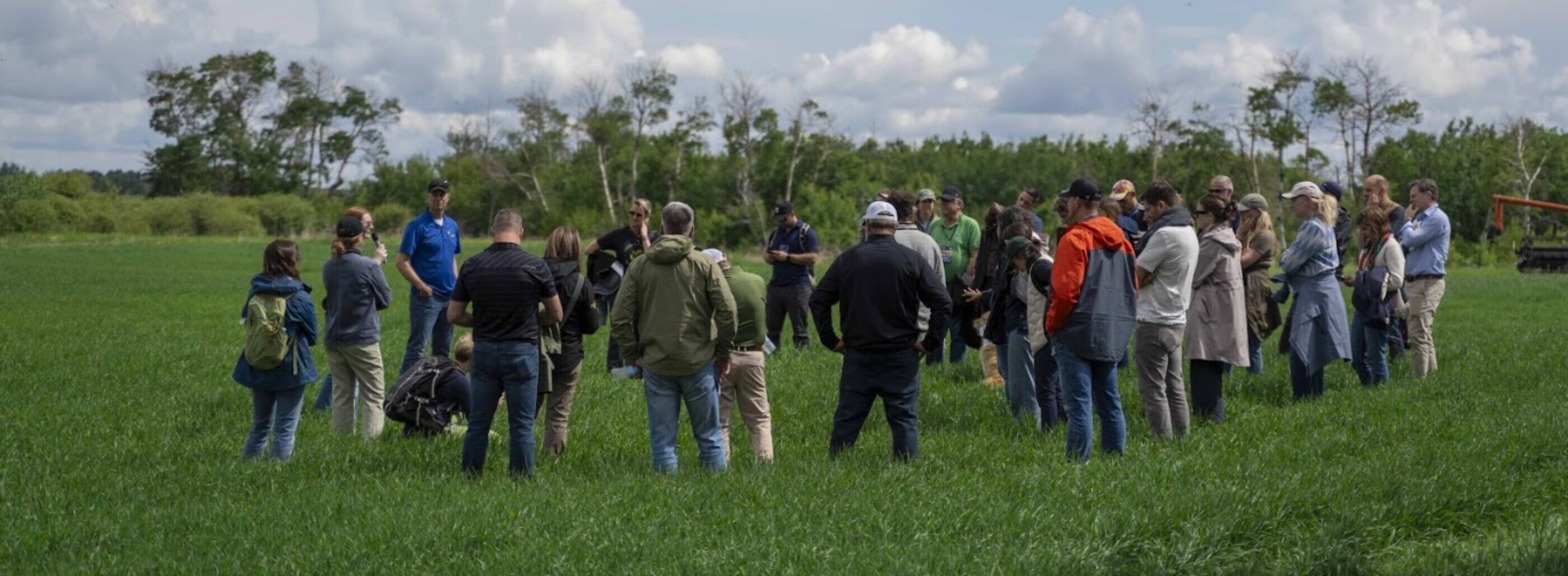
For many of the farmers featured during SAI Platform’s Annual Event in Saskatoon, Saskatchewan, Canada, regenerative agriculture is not driven by trends or labels. It is a practical response to risk.

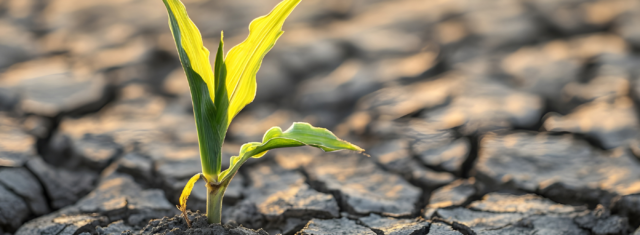
Farming in Saskatchewan means managing drought, extreme weather variability, short growing seasons and fragile margins. In these conditions, resilience is not an aspiration but a requirement for long-term success.
A common feature across the farms visited was the widespread adoption of no-till systems. Unlike many regions where tillage remains routine, Saskatchewan has spent decades developing systems that minimise soil disturbance. Farmers explained that no-till helps conserve moisture, protect soil structure, reduce erosion and improve water infiltration, all of which are critical in a region where weather can vary dramatically from year to year. However, speakers also emphasised that regenerative agriculture is not defined by a single practice. Rather, it is a systems approach that combines technology, agronomy and local knowledge.

Several producers described how they are building resilience through diversified crop rotations, biological soil amendments, precision nutrient management and continuous measurement of soil and crop performance. Many stressed that healthy soils function as a form of insurance, helping crops withstand both drought and excessive rainfall. As one recurring theme throughout the event suggested, successful farming systems are dynamic: they adapt to changing conditions rather than relying on fixed recipes.

The panel on successful production systems under adverse conditions reinforced this perspective. Farmers and experts argued that resilient systems are those that remain profitable while continually improving the condition of the land. Longer and more diverse rotations, stronger soil health, farmer-to-farmer learning and technologies that enable precise input use were all highlighted as part of the solution. Regenerative agriculture in Saskatchewan is therefore less about following a prescribed model and more about building farming systems capable of performing under some of the world’s most demanding conditions.