Turning climate risk insights into action
28th September 2026
Introducing members to the Climate Resilience Platform
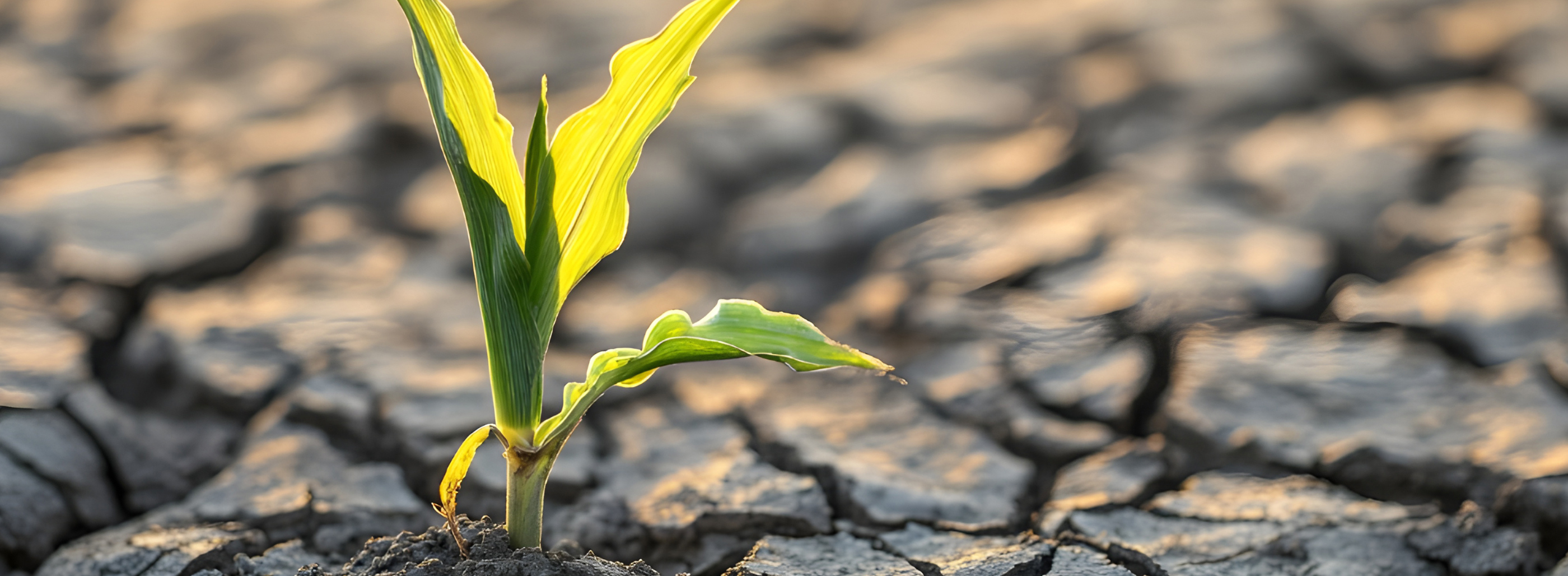
Understanding how climate change could affect agricultural sourcing regions and supply chains is increasingly important for organisations working to build long-term resilience.
On 15th September, SAI Platform hosted a webinar with the Alliance of Bioversity International and the International Center for Tropical Agriculture (CIAT) to introduce members to the Climate Resilience Platform (CRP) and explore how climate science can support more informed decision-making.
The Climate Resilience Platform turns climate science into business-ready insights, enabling organisations to assess and visualise climate risks at landscape, regional and crop levels. The platform allows users to explore a range of climate hazards and identify current and future vulnerabilities across sourcing regions.
A key takeaway from the webinar was the value of moving beyond broad climate trends to understand how climate risks may affect specific locations, crops and sourcing regions. This location-specific insight can help organisations identify priority areas for adaptation, inform investment decisions and support resilience-building interventions.
Climate risk information can also support engagement across the value chain. A shared evidence base can help organisations, suppliers, farmers and other stakeholders develop a common understanding of climate-related priorities and identify where action may be needed.
The discussion highlighted the importance of considering climate resilience alongside broader sustainability and productivity objectives. Adaptation measures can deliver greater value when they are connected to existing initiatives and contribute to multiple outcomes for farmers and supply chains.
From insights to action
For members, a practical next step could be to identify priority crops, geographies or supply chains where a deeper understanding of climate risks would add value to existing sustainability programmes.
Using the Climate Resilience Platform, organisations can then explore the climate hazards and vulnerabilities affecting these areas and consider how the findings could inform initiatives already underway, including regenerative agriculture, water stewardship and biodiversity programmes. Bringing sustainability, procurement and sourcing teams into these discussions can help translate climate insights into more informed business and investment decisions.
As members explore these opportunities, sharing experiences and practical use cases through the SAI Platform community will help build collective understanding of how climate risk information can support action and strengthen resilience across agricultural supply chains.