Brazil’s Tropical Farms Offer a Glimpse into the Future of Regenerative Agriculture
28th May 2026
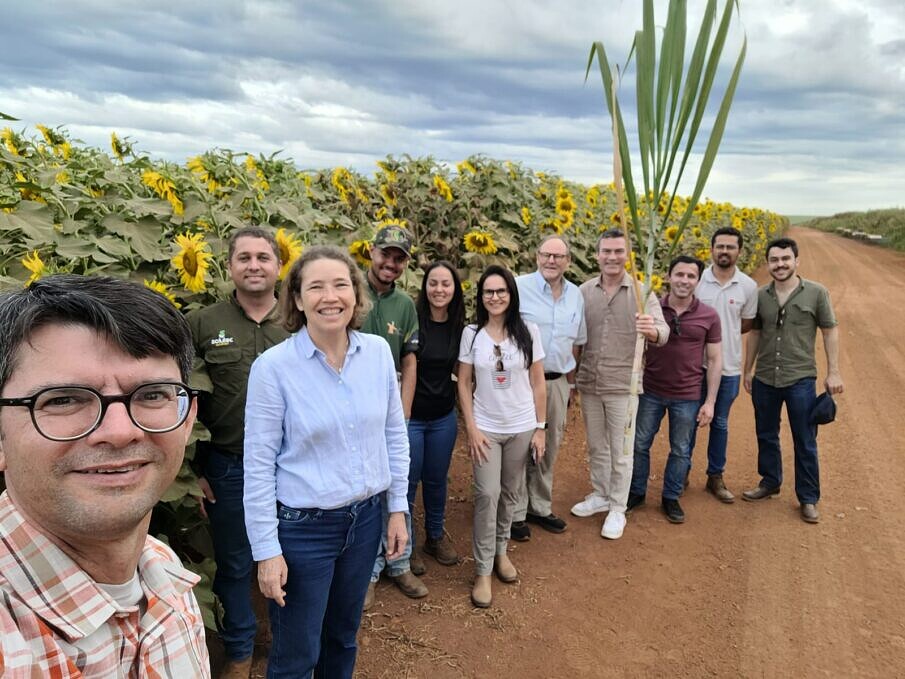
SAI Platform visited Brasília and Rio Verde, in the Brazilian state of Goiás
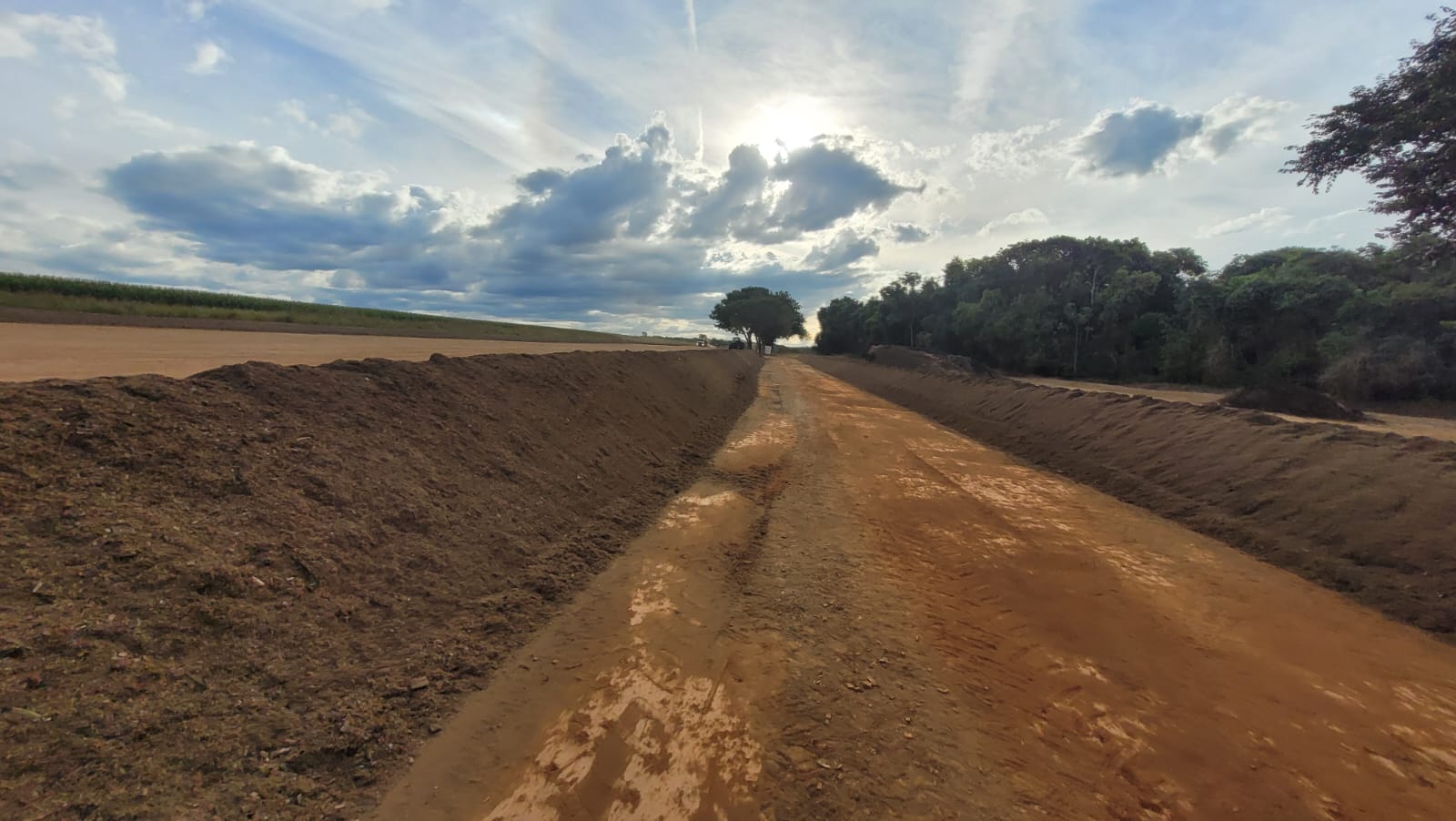
A recent visit by SAI Platform to Brasília and Rio Verde, in the Brazilian state of Goiás, revealed a farming landscape undergoing rapid transformation. In one of the world’s most important agricultural regions, regenerative practices are no longer experimental. They are becoming the foundation of resilient, export‑oriented production systems.
Across large‑scale farms growing soy, corn, sugarcane, and other crops, producers are responding to climate volatility with innovation. No‑till systems, cover crops, crop‑livestock integration, and precision technologies are widely adopted. Many farmers have gone further, producing their own bio‑inputs such as fungi and bacteria cultivated on‑farm to reduce dependency on synthetic fertilisers, herbicides, and pesticides.
Meetings with organisations including Banco do Brasil, Agrária, apexBrasil, and GAAS highlighted a community of progressive, entrepreneurial farmers who have spent years refining regenerative methods to cut costs, improve soil health, and increase yields. Some farms have achieved dramatic results, including significant reduction of chemical inputs while in parallel improving profitability.
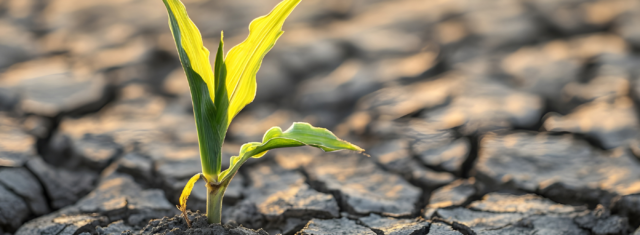
Yet the pressures are significant. Rising input costs, high interest rates, climate extremes, and the burden of multiple sustainability reporting systems weigh heavily on producers. At the same time, global demand for deforestation‑free and sustainably produced commodities is creating new opportunities particularly as Brazil prepares for the EU‑Mercosur Free Trade Agreement and increasing verification requirements in export markets.
Brazil’s leadership is already visible. Thanks to the country relevance in the production, 60% of global orange juice supply is covered by the Farm Sustainability Assessment (FSA) and has achieved full FSA verification across Kraft Heinz’s tomato supply chain.
For SAI Platform, the visit underscored the need to adapt global regenerative frameworks to tropical realities. Brazil’s year‑round growing seasons, unique soil dynamics, biodiversity, and long history of no‑till farming require tools tailored to local conditions. With nearly 50 SAI Platform members active in the country, interest in deeper collaboration is strong.
A strategic partnership in Brazil would bring a tropical dimension to the Regenerating Together Programme and strengthen SAI Platform’s role as a global convener across all climate zones. Several organisations including Agrária, Syngenta Group, Griffith Foods, LDC, Kraft Heinz, and Bayer have already expressed interest in piloting regenerative projects.
Brazil’s agricultural sector is poised for a new chapter. With the right partnerships, it could become a global reference point for regenerative agriculture in tropical systems—offering lessons the world urgently needs.