India-based regenerative agriculture initiative enters operational phase
1st December 2025
Piloting of socio-economic indicators tailored to the adoption of regenerative agriculture practices and trials implemented with project partners McCain Foods and PepsiCo underway.
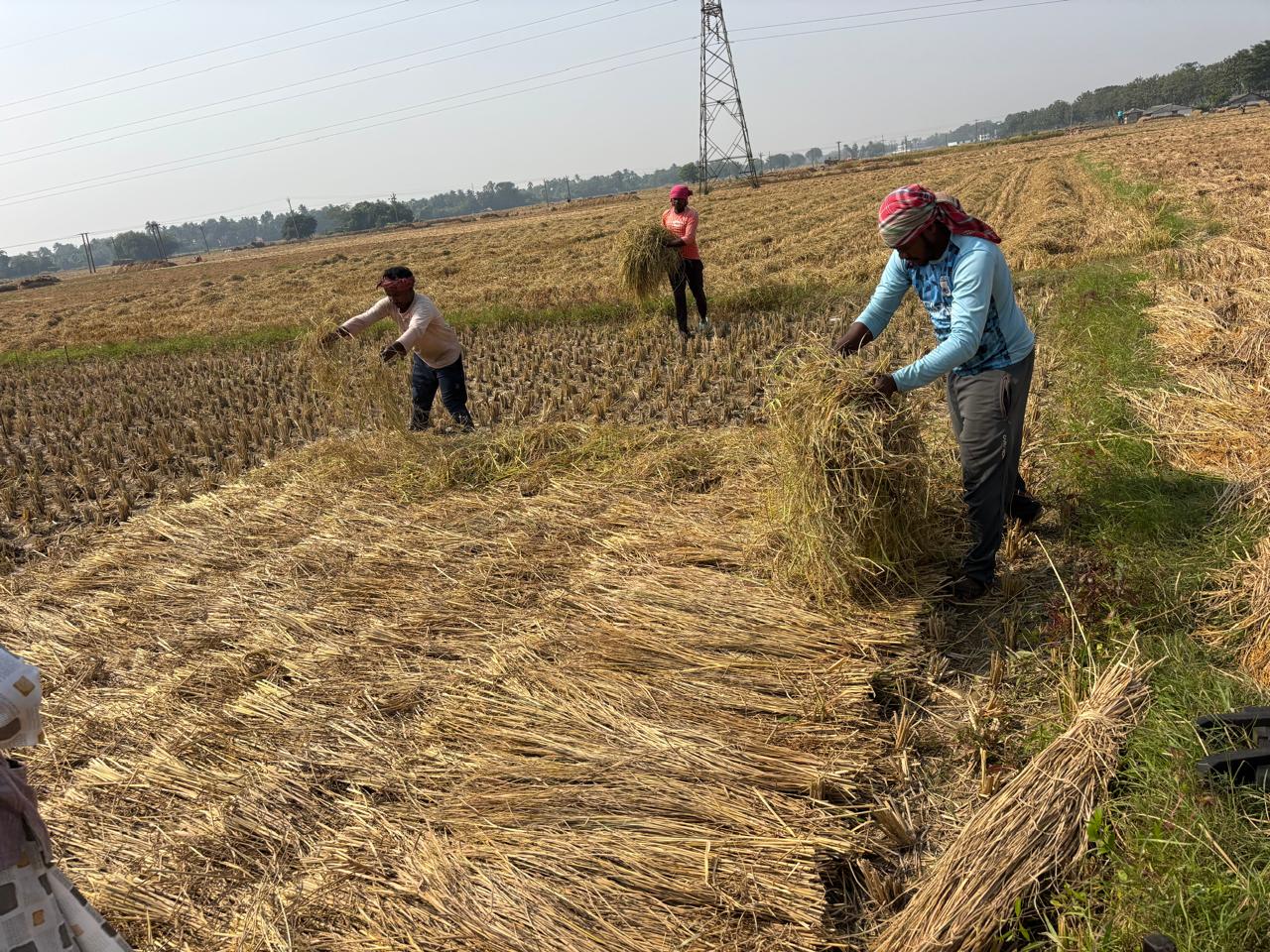
Earlier this year, SAI Platform, together with member companies McCain Foods and PepsiCo, and in partnership with social impact measurement organisation 60 Decibels and the International Potato Center (CIP), launched a two-year initiative co-funded by The Rockefeller Foundation. The project has two core objectives:
- to test and validate regenerative agriculture practices with smallholder potato farmers in India; and
- to develop and pilot a new approach for monitoring and supporting farmer livelihoods in the transition towards regenerative agriculture.
The socio-economic component of the project, led by 60 Decibels, seeks to inform the integration of Farmer Livelihoods in the Regenerating Together Programme (RTP). This is central to holistically operationalising SAI Platform’s definition of regenerative agriculture: “Regenerative agriculture is an outcome-based farming approach that protects and improves soil health, biodiversity, climate and water resources while supporting farmer livelihoods.”
“Farmer livelihoods have always been at the heart of our strategic vision. As affirmed by the Founding Members in 2022, the Regenerating Together Programme will continue to take a holistic approach to achieving long-term sustainable impact, placing an even stronger emphasis on supporting farmer livelihoods. Through this project, we are making tangible progress in defining how this core dimension will be further embedded in the Regenerating Together Programme.”
Julia de Candido, Regenerative Agriculture Officer at SAI Platform
Since its launch in January 2025, the project has made significant advancements on both of its core objectives.
Project partner 60 Decibels has been advancing the development of socio-economic indicators tailored to the adoption and implementation of regenerative agriculture practices by farmers. These indicators aim to capture the multi-dimensional realities faced during the transition toward regenerative agriculture – including farm-level productivity, balancing costs with benefits, economic resilience, as well as near-term viability and long-term profitability.
This work has attracted additional interest and engagement from within SAI Platform’s membership. Besides McCain Foods and PepsiCo, both Nestlé and Arla Foods joined the consultations led by 60 Decibels to inform the development and refinement of these livelihoods-focused metrics. As a result, the socio-economic indicator approach is now being piloted with farmers in the supply chains of project partners McCain Foods and PepsiCo.
Meanwhile, progress continues on the agronomic side of the project. Over the course of this year, trial plans have been developed by CIP, in partnership with McCain Foods and PepsiCo, for regenerative agriculture practices to be tested and validated in smallholder potato farming systems in Gujarat and West Bengal. The trials focus on enhancing soil health and fertility as well as water use efficiency. implementation has commenced only weeks ago, with practices piloted through lighthouse and demonstration farms to enable broader engagement and uptake among local farming communities.