VIVESCIA’s TRANSITIONS Programme: Why financial and technical support are key to scaling regenerative agriculture
18th June 2025
Designed to be flexible and adaptable to local contexts, SAI Platform’s Regenerating Together Framework (RTF) offers a unified approach to monitoring and reporting on regenerative outcomes. VIVESCIA’s TRANSITIONS programme is a leading example that demonstrates how this global framework can be tailored to the unique realities of French arable farming. By combining both technical support and financial incentives, within a market orientated approach, it aims to provide a scalable model for overcoming systemic barriers to regenerative agriculture for farming communities.
Fully aligned with the ethos of the RTF, the initiative now stands as a replicable and open-source model, with the potential to scale across French and European arable systems. It serves as a practical roadmap for others, demonstrating that regenerative agriculture thrives on shared values and locally tailored solutions.
VIVESCIA, a cooperative representing 10,000 French grain farmers, launched the TRANSITIONS programme in 2021 to accelerate the adoption of regenerative agriculture within its network. The initiative aims to address two major challenges faced by farmers, namely economic risk and market uncertainty. While the RTF offers a solid strategic framework to drive transformation, successful implementation hinges on providing tailored technical and financial support directly to farmers on the ground.
The TRANSITIONS programme offers a holistic support structure for farmers shifting to regenerative practices. Fully aligned with the RTF principles of being flexible, farmer-centric, and outcome-driven, the programme provides:
- Performance-based financial incentives, which are scaled according to the number and ambition of regenerative practices implemented.
- Capacity building through training, on farm experimentation and peer learning groups.
- Long-term commercial partnerships with downstream actors, establishing market demand.
A defining feature of TRANSITIONS is its multi-stakeholder architecture, connecting upstream farmers with downstream processing companies. This alignment has laid the foundation for a French Regenerative Agriculture Market, designed to:
- Reward regenerative outcomes through value chain recognition.
- Ensure compliance with the Land Sector and Removals GHG Standard and alignment with the SBTi FLAG targets.
- Support the RTF’s ambition to scale regenerative agriculture through collaboration and trust.
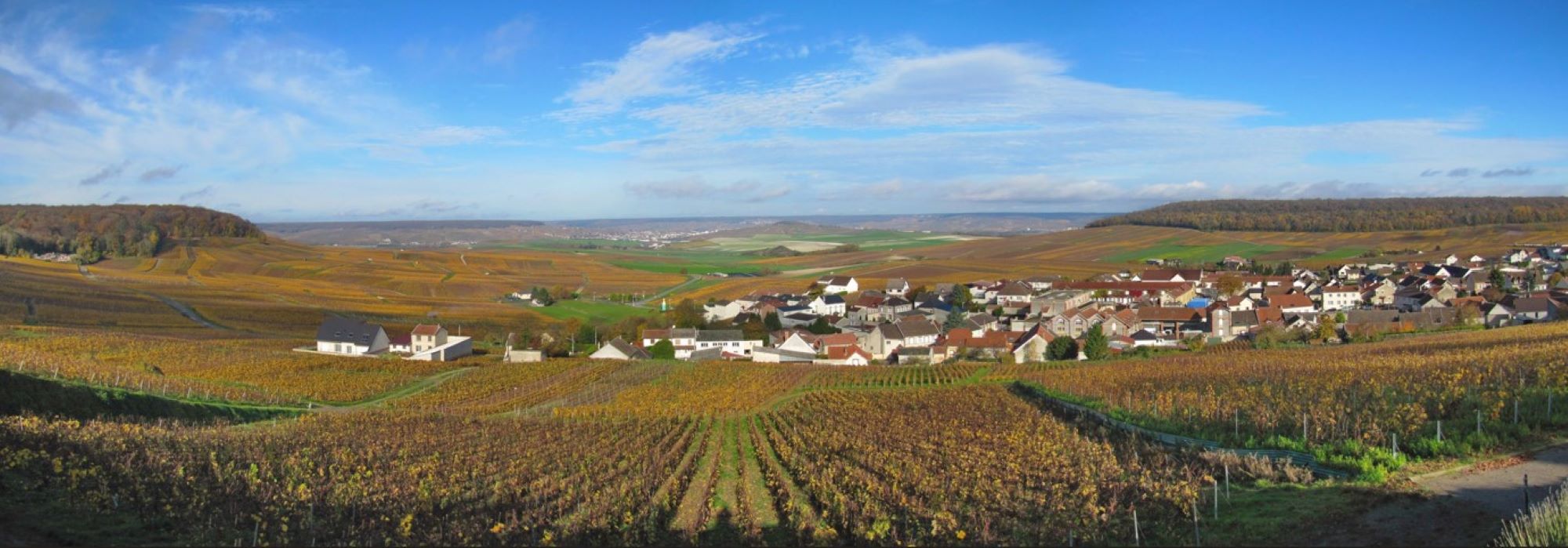
As part of SAI Platform’s recent Annual Event held in Paris, members had the unique opportunity to engage with Stephane Schumacher, a farmer based in Villers-sous-Chatillon in the Champagne region. Stephane, who applies a sustainable farming approach featuring no-till practices, extensive cover cropping, and a highly diversified rotation, has been engaged in VIVESCIA’s TRANSITIONS programme for the past year and is already demonstrating strong agronomic and environmental performance.
“My core motivation to transition to regenerative agriculture was to reduce the costs of mechanisation, especially on plots with lower yield potential. However, at the same time, I wanted to improve the soil health and biodiversity of my farm.”
Stephane Schumacher, Farmer.
Before enrolling in TRANSITIONS, Stephane was already part of a VIVESCIA-led farmer group, engaging in regenerative agriculture and peer learning. This earlier support was crucial in reducing the perceived risk of change and paving the way for deeper engagement.
“Financially, the programme helped cover the costs of cover crops and switching to more sustainable fertilisation methods. However, equally important was the technical advice and peer support as it’s reassuring to know that you’re not going through this process alone.”
Stephane Schumacher, Farmer.
Having implemented the RTF on his farm ahead of the field visit, Stephane sees real value in having a global framework for regenerative agriculture. He and the TRANSITIONS team see the RTF as a key enabler and a valuable guide for continuous improvement.
“It helps validate the path we’re on and shows that progress matters. But we still need ongoing financial and technical support to keep evolving.”
Stephane Schumacher, Farmer.
Initial indications from the implementation of the RTF within the TRANSITIONS programme are highly encouraging. Farmers like Stéphane are already seeing tangible benefits in both agronomic performance and environmental outcomes. While it is still early in the process, these positive signals suggest strong potential for scaling regenerative agriculture through collaborative, locally adapted approaches. A more detailed case study capturing the progress and lessons learned is planned for release in early 2026.